How to Create a Healthy Relationship with Food for Kids
By Sammi Brondo — July 23, 2024
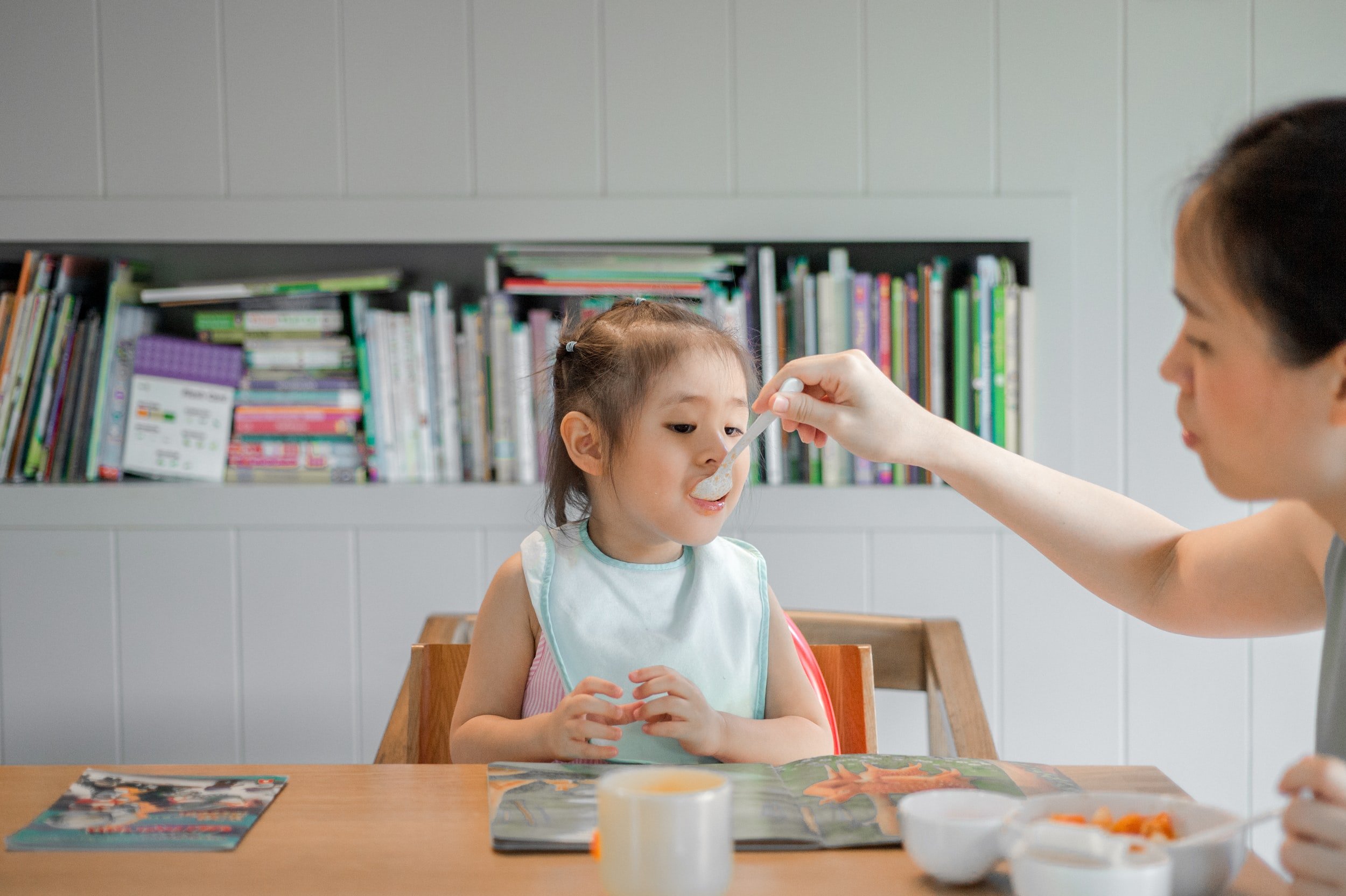
As a dietitian and mom to *almost* 2, this is a topic I feel super passionately about. Kids learn most of their eating behaviors from parents and caregivers, and there’s a lot we can do to help foster a healthy relationship with food starting at a young age.
Most of what a child will learn about food – including her attitude towards food and her body – comes from her parents.
Of course, there are many outside factors that we simply can’t control. Our kids will learn things at school, from friends, and from TV or social media.
But, a lot of what they learn comes directly from us.
It isn’t always the overt things either. Think back to the way your parents viewed and talked about food while you were growing up.
Maybe your parents fed you a variety of food, but never ate those foods with you and opted for salads instead. Maybe junk food was “off limits,” so it was something you only ate (and very possibly, got overly excited about at friends’ houses). Or maybe you heard your parents talk negatively about their bodies, saying they “felt gross” or needed to “burn X food off.”
I’m not faulting your parents. Parenting is TOUGH and we all do the best we can. We also know a lot more now about diet culture and eating behaviors than we did in the 90’s and earlier.
SO NOW, WHEN WE KNOW BETTER, WE CAN DO BETTER.
Many millennials (like myself!) grew up with some kind of strained relationship with food. And now, we want to make sure we teach our kids differently.
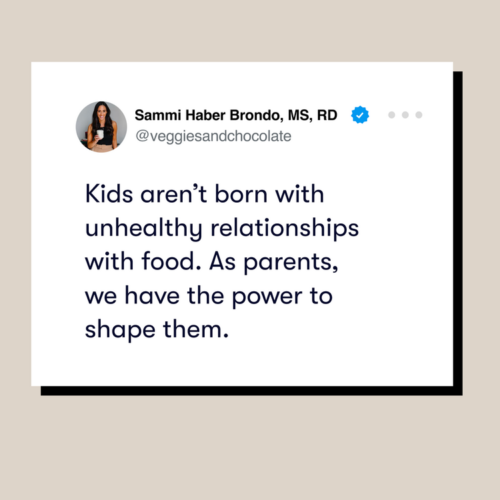
HAVING A NEGATIVE RELATIONSHIP WITH FOOD OR ANY DISORDERED EATING BEHAVIORS CAN BE SO DIFFICULT.
And if you’re reading this, it’s amazing that you want a healthier journey for your kids.
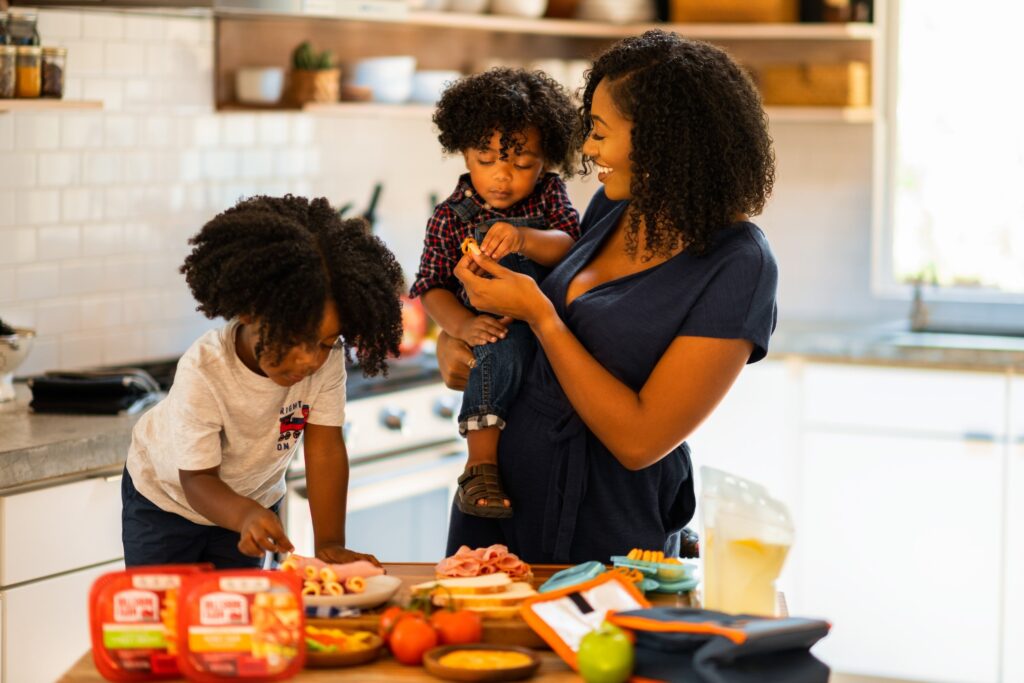
1. Be mindful of how you talk about food in front of your kids.
Your kids listen to – and most likely remember – everything.
The way you talk about food passes down to them directly.
Try not to call foods good or bad, especially in front of them. Instead, aim to keep all food neutral.
Of course, certain foods have more nutrients than others, but there’s a time and place for all foods. All foods can fit. And we don’t want to teach kids that certain foods are good, bad or better than others.
And similarly, be mindful of how you talk about your body in front of your children. Try to avoid saying things like “I feel gross/fat,” “I need to burn this off,” “I shouldn’t eat that,” or “that’s not on my diet.”
All of these mindless phrases contribute to the mindset that some foods are better than others.
We want our kids to eat their fruits and veggies, of course! But we also want them to enjoy an entire range or foods without guilt or shame.
2. Eat with your kids.
Did I mention that kids pick up on everything? The other day I was mindlessly singing along to a song that said something like “don’t go crying” (I think?!) and my 2 year old daughter responded, “mommy, I don’t want to cry.”
Kids really pick on up every little thing.
If you serve them mac and cheese but eat salad, they notice that.
If you go out for ice cream as a family but don’t get any, they notice that too.
Of course, you don’t have to eat every single thing that your kids eat. But as much as you can, eat with them.
Eat the same foods as them when you can. It shows them that all food is meant to be enjoyed.
And even more so, just eating meals with them in general helps them enjoy food. It teaches that food can be a social and pleasurable thing.
3. Minimize meal time pressure.
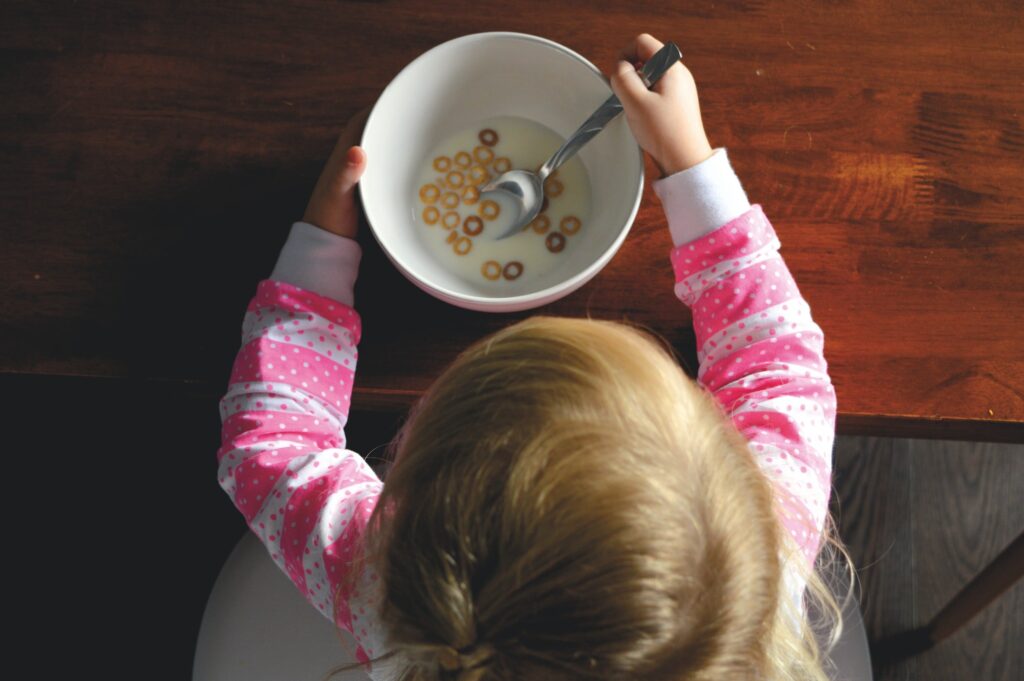
On that same note, minimize any pressure at meal time.
We often have tendencies as parents to micromanage what our kids eat. And I get it! We want them get plenty of nutrients, grow, and be healthy.
But don’t force them to eat everything on their plate. Try to allow your child to honor his hunger.
Kids are born intuitive eaters. They aren’t born with outside diet culture knowledge that tells them what or how much they should eat. It’s important that we let them honor that.
As tempting as it may be, don’t try to make them try everything you serve them. It’s okay if they only eat one thing from the meal. Honestly, it’s okay if they don’t eat much at all.
Like us, kids’ appetites vary greatly from day to day. A lot of kids also front load – eating most of their meals earlier in the day and losing their appetite (and attention span for meals) by the end of the day.
So if your child isn’t eating much for dinner, try not to stress it. If she is hungry, she will eat.
Try to keep meals as stress-free as possible by not pushing her to eat certain items or amounts.
4. Make sweets neutral – not a special treat.
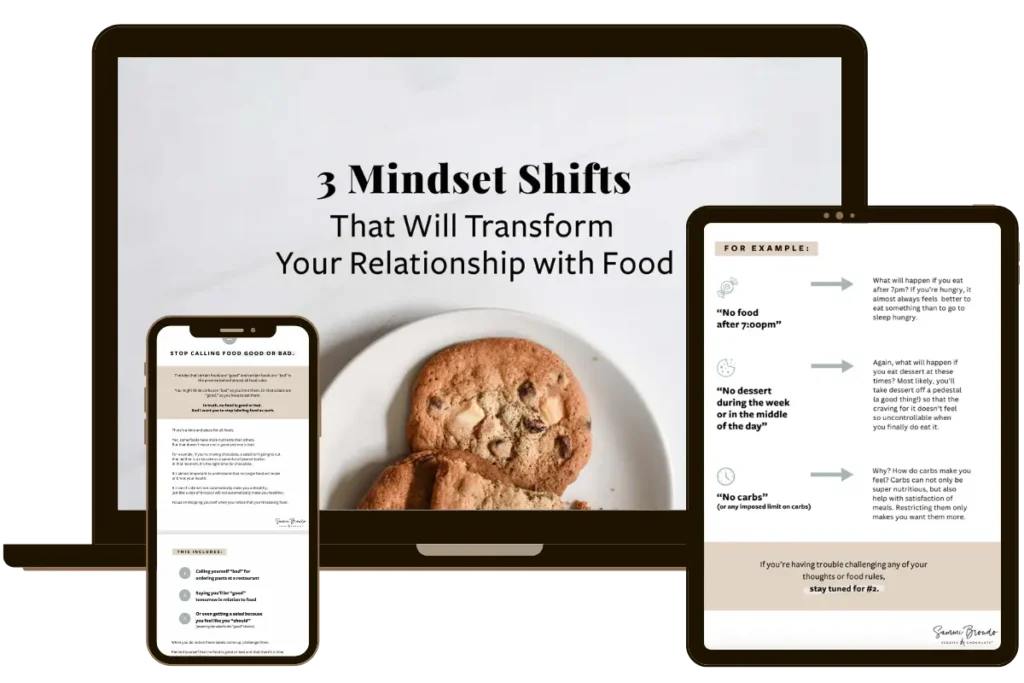
Most of us have learned at some point or another that dessert is a special treat. We’ve either heard or believe that dessert is lacking in nutrition and shouldn’t be eaten (and if you need help with this mindset yourself, more on that here).
But here’s the thing: the more we put dessert on a pedestal like that, the more frequently and intensely we crave it.
It makes sense that the same logic applies to our children.
When we tell kids they can’t have dessert or they can only have it after they finish their dinner, we’re subtly creating the mindset that dessert is a special treat.
This only makes kids want dessert more.
And of course, are sweets the most nutritious foods in the world? No. But liming them isn’t the answer.
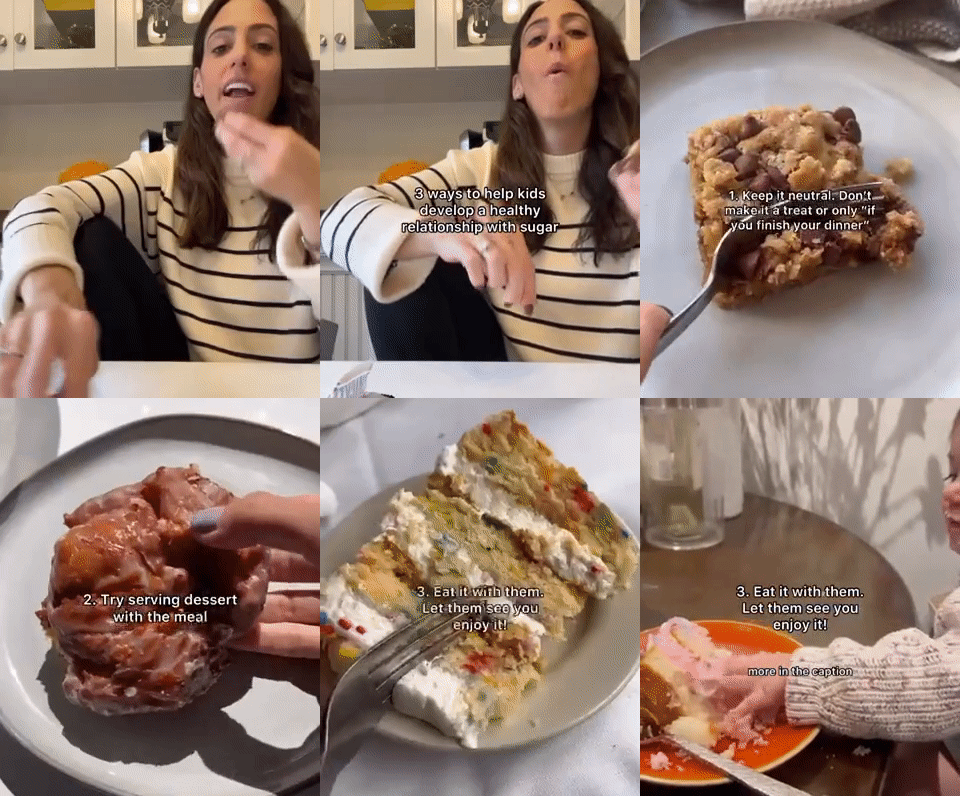
Instead of making dessert a treat to be earned, try offering them with a meal. I think you’ll be pleasantly surprised at how this goes.
Your child may eat the dessert first. In fact, they may only eat the dessert some of the time. But most of the time, they’ll start to view it as part of their meal and will eat everything all together.
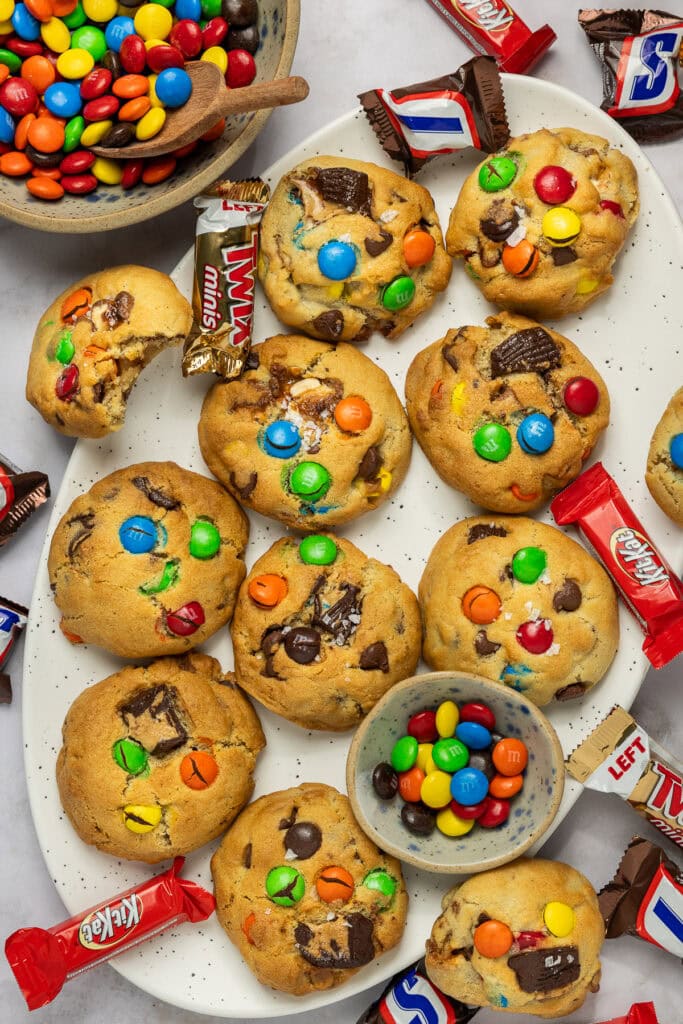
I’ve been doing this with my daughter for a while and am always so pleasantly surprised at how the meal turns out. While there are definitely times where she only eats the cookie, most of the time, she takes a few bites of the cookie and then enjoys whatever else I served too.
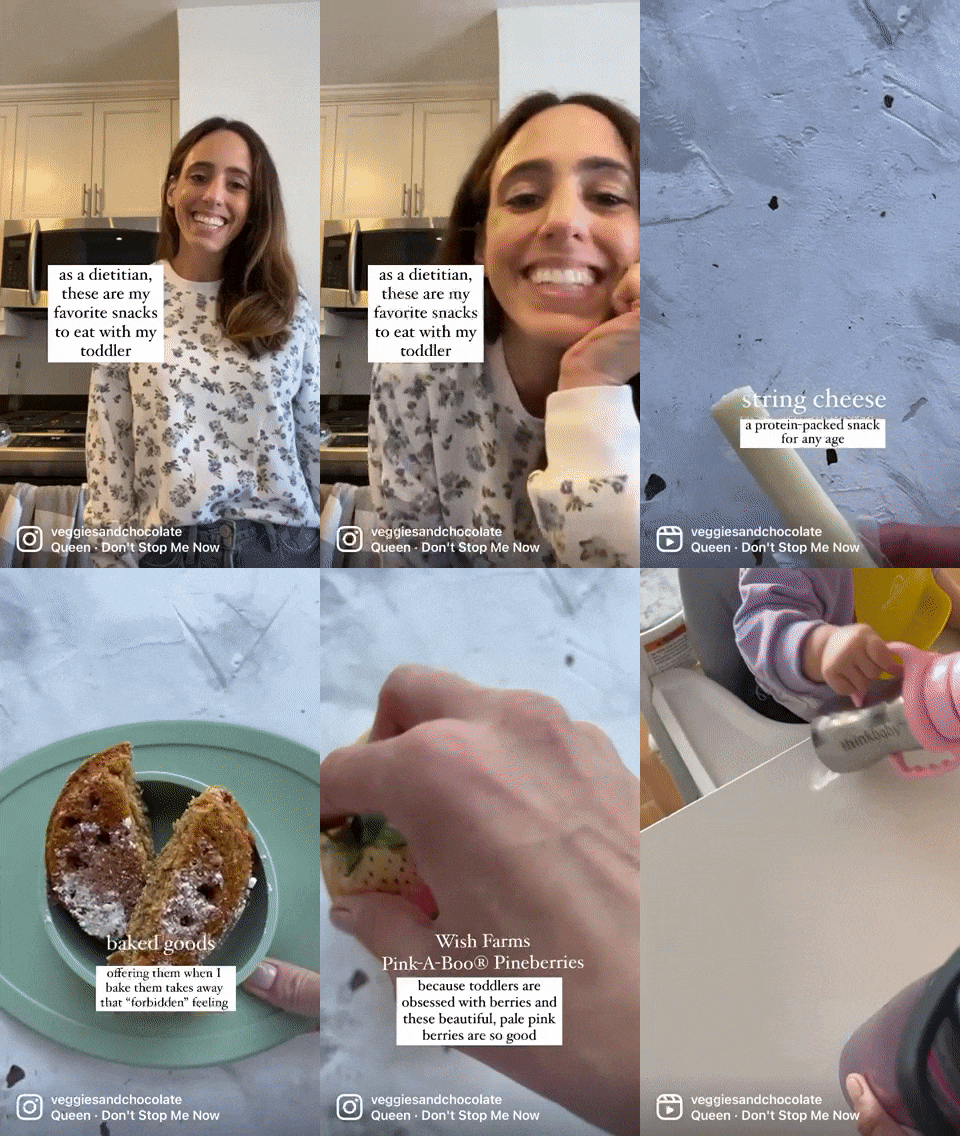
Bonus tip: if your child frequently asks for sweets outside of meal time, instead of saying no, try a gentler approach. For example, “why don’t we add some string cheese with candy for a snack so that your tummy stays fuller?” or “I don’t want you get a tummy ache if you eat another cookie right now, let’s see if we’re still hungry for one later” or even “I don’t have cake right now, but maybe we can get cake tomorrow.”
Avoid saying a direct “no” to dessert as much as you can and placing it on a pedestal. It helps so much to neutralize it.
5. Be a positive role model.
Most importantly, be a positive role model for your child.
Eat a variety of food. Try not to talk negatively about food or your body (especially in front of them). Don’t make a huge deal of dessert.
Your kids will really model everything that you do. And, when it comes to food, the best thing you can do for them is to have a healthy relationship with food yourself.
If you need help with your own relationship with food, we’ve got you covered! Check out this blog post and of course, feel free to reach out any time to chat about individual nutrition counseling.
Additionally, try some of these bonus tips. Not only can they help with your child’s relationship with food, but they also include some great picky eating tips too:
- Include your kids in the cooking and decision making. Let them help you in the kitchen or ask if they want strawberries or blueberries with their lunch. Feeling involved in the process helps a lot with enjoyment.
- Offer choices. When you can, let your kids choose different components of the meal – whether that means the type of vegetable they eat, how their fruit is cut or what color plate they use. Toddlers especially love to feel in control.
- Let them explore and get messy. Let them feel different textures and use their hands while eating. Exploration is key to food acceptance (trust me… my daughter eats plain ketchup with her hands 🤷🏻♀️).
- Make food fun. You don’t have to be a Pinterest mom who cuts food into cute shapes and characters (but if you have the time and ability, go for it!). Offer different dips, utensils or serving methods (like a “charcuterie board” for dinner) to make food fun and exciting.
- Always include one safe item. It’s important to continue to offer kids a variety of new foods. But when doing so, always include one safe item that you know they like.

At the end of the day, do the best you can.
As a parent myself, I want to give you resources to help your kids, but I definitely don’t want to add any pressure to your (already stressful) day.
Please remember that your kids will learn so much about food from so many different places. While it’s amazing to do these things at home, don’t be too hard on yourself with what they learn outside of home either. You can only control what you can control.
Just by reading this and trying to learn more, you’re already doing something amazing for your kids.
Bravo mama.
Want to learn more about creating a healthy relationship with food for your kids?
Check out my NEW program, Food Freedom for the Whole Family. It’s THE course to help you foster a healthy relationship with food and teach your kids to do the same.
If you’ve made and love this recipe or any other recipe on my blog, please leave a ⭐ rating and comment below!