
This blog post is sponsored by Growing a Healthier America – an organization that works to spread credible health information. All thoughts and opinions are my own.
Social media has a funny way of getting people worked up about topics they previously might’ve known little about.
I can’t even begin to tell you how many friends have asked me about seed oils in the past year. Or how many people I’ve come across that are worried about consuming them.
In fact, a quick Instagram search for the word “seed oil” quickly proves why many are so scared of a simple oil.
Within minutes, the first few reels I pulled up gave terrifying claims and reviews, like “world’s deadliest food” and “skin cancer isn’t caused by the sun… it’s caused by seed oils,” and my personal favorite “seed oils belong in cars, not food.”
While I can tell you right now that all these claims are unequivocally false, I can see why someone might be worried about seed oils. If your Instagram feed is showing you claims this serious and scary, then seed oils must be worth avoiding, right?
Wrong.
But should you worry about seed oils at all? First, it’s important to understand what they are.
What are seed oils?
A seed oil is an oil that is extracted from the seed of a plant. Aside from olive oil, which comes from olives, most of the vegetable oils we eat are seed oils.
The most common seed oils we see include canola, corn, grapeseed, safflower, soy, and sunflower oils.
Lumping all these oils into one category is already problematic. They’re not the same – they each have slightly different nutrition profiles and uses.
But one common theme among all seed oils is that they’re high in omega-6 fatty acids. There are two major classes of polyunsaturated fats (beneficial, heart healthy fats): omega-3 fatty acids and omega-6 fatty acids.
And although they’re all high in omega-6’s – a fatty acid that gets demonized – no oil is made 100% of one type of fatty acid. All oils, even beloved olive and avocado oils, contain a mixture of different fatty acids.
Most seed oils typically contain the largest amount of omega-6 fatty acids – often as linoleic acid – followed by monounsaturated fatty acids, saturated fatty acids, and some omega-3 fatty acids.
You’ll often find seed oils in packaged foods like crackers and cookies, and even sauces and dressings.
These oils are typically less expensive than other oils, they have a high smoke point (meaning they can be cooked at high temperatures), and a long shelf-life.
For these reasons, many manufacturers choose to use them to make their products less expensive and more shelf stable.
Here’s where nuance is important: if your diet consists of mainly these packaged foods – like crackers and cookies – your health will likely reflect that. But that isn’t because of the seed oils – it’s because of a diet lacking in balance and variety.
Fatty acids – types and sources
| Saturated fats | Butter, cheese, full-fat dairy, animal products (red meat, skin on chicken) | |
| Monounsaturated fats | Olive oil, avocado, almonds, cashews, peanuts | |
| Polyunsaturated fats | Walnuts, sunflower seeds, pumpkin seeds, flaxseed, chia | |
| Omega-3 fatty acids | Salmon, chia seeds, flaxseed, walnuts | *A type of polyunsaturated fat |
| Omega-6 fatty acids | Sunflower oil, soybean oil, sunflower seeds, pumpkin seeds | *A type of polyunsaturated fat |
| Trans fat | Packaged food, fried food | *Deemed unsafe & removed from the food supply in 2015 |

Are seed oils harmful?
In short, no, seed oils are not harmful.
In general, it’s beneficial to consume a higher ratio of omega-3 to omega-6 fatty acids in our diets. But just because seed oils contain more omega-6 fatty acids doesn’t make them a harmful (or even “toxic” as many say) food.
It just means you should also continue to add food sources of omega-3’s to your diet too.
Our health is defined by the entire picture of our diets. We absolutely should strive to eat foods with omega-3 fatty acids. These foods support heart health, eye health, and even skin health.
And yes, if our diets – on the whole – contain a higher ratio of omega-6 to omega-3 fatty acids, this may cause inflammation (1).
I believe influencers often tend to stretch the truth: seed oil consumption is on the rise and chronic diseases are on the rise, so one must cause the other.
But in fact, correlation does not equal causation. Many things have changed in the general US diet and lifestyle that contribute to a rise in chronic disease. Seed oils are one very small piece of the puzzle.
(And in fact, as you’ll soon see, studies have not only shown benefits to consuming seed oils, but also, adding seed oils to food helps with food access for many – a critical part of health that’s often left out of the discussion.)
In general, if you eat a variety of foods, and specifically, a variety of dietary fat, then eating seed oils too likely isn’t having a negative effect.
Benefits of seed oils
In fact, studies have shown many benefits to including seed oils in the diet.
Including linoleic acid in the diet (remember, this is one of the main omega-6 fatty acids in seed oils) has heart health benefits – especially when it’s used to replace saturated fats.
In a recent meta-analysis, higher intake of linoleic acid was associated with lower risk of mortality from cardiovascular disease and cancer (2).
Other studies have found similar conclusions – with an analysis of 30 prospective observational studies showing that higher tissue levels of linoleic acid were associated with lower risk of major cardiovascular events (3).
And replacing saturated fats with omega-6 fatty acids may even decrease inflammation – with studies showing that replacing saturated fats with omega-6’s in a mixed meal decreased post-meal markers of inflammation in men (4).
Additional studies have shown the same, with a recent randomized, controlled, single-blind, parallel-group dietary intervention suggesting that replacing some saturated fats with omega-6 fats in the diet had beneficial effects on endothelial repair and microparticle numbers.
Endothelial progenitor cells help repair blood vessels. High microparticle levels can be a sign of damage to blood vessels. In plain language, these results showed that swapping saturated fat for omega-6 fatty acids may improve the body’s ability to repair blood vessels and reduce signs of blood vessel damage – both critical for heart health (5).
The takeaway: how to realistically incorporate seed oils into your life
Am I suggesting that you exclusively use and only eat seed oils? No.
Like with any food, we need variety. Our bodies would not thrive exclusively eating any one single food.
I think the extreme myths about seed oils often get perpetuated because people 1) don’t know how to read and interpret research, and 2) take an extreme stance – they look at what might happen if we were to eat excess amounts of a single food or ingredient, instead of looking at our diets on the whole.
My best realistic advice is this: you don’t need to go out of your way to add seed oils to your diet. And you don’t need to go out of your way to avoid them either.
For example, if your ketchup brand of choice contains seed oils, in my opinion, it’s no big deal. This is one small condiment amongst an entire day of food.
If it’s a worth-it-swap to you to buy a more expensive ketchup (that likely has a shorter shelf-life too) made with olive or avocado oil, by all means, go ahead! But know that you don’t need that to be healthy.
If your diet contains variety – food you prepare at home, food from restaurants, and yes, packaged foods – chances are, you’ll eat some seed oils. And that’s perfectly okay.
Instead of avoiding them like the plague, your efforts are better focused on making sure to include more polyunsaturated fat in your diet in general, instead of saturated fat when you can. This includes foods like olive oil, avocado, nuts, fish, seeds, and yes, seed oils, in place of foods like butter and animal fats.
Remember that seed oils in the diet canbe beneficial, especially when replacing saturated fat.
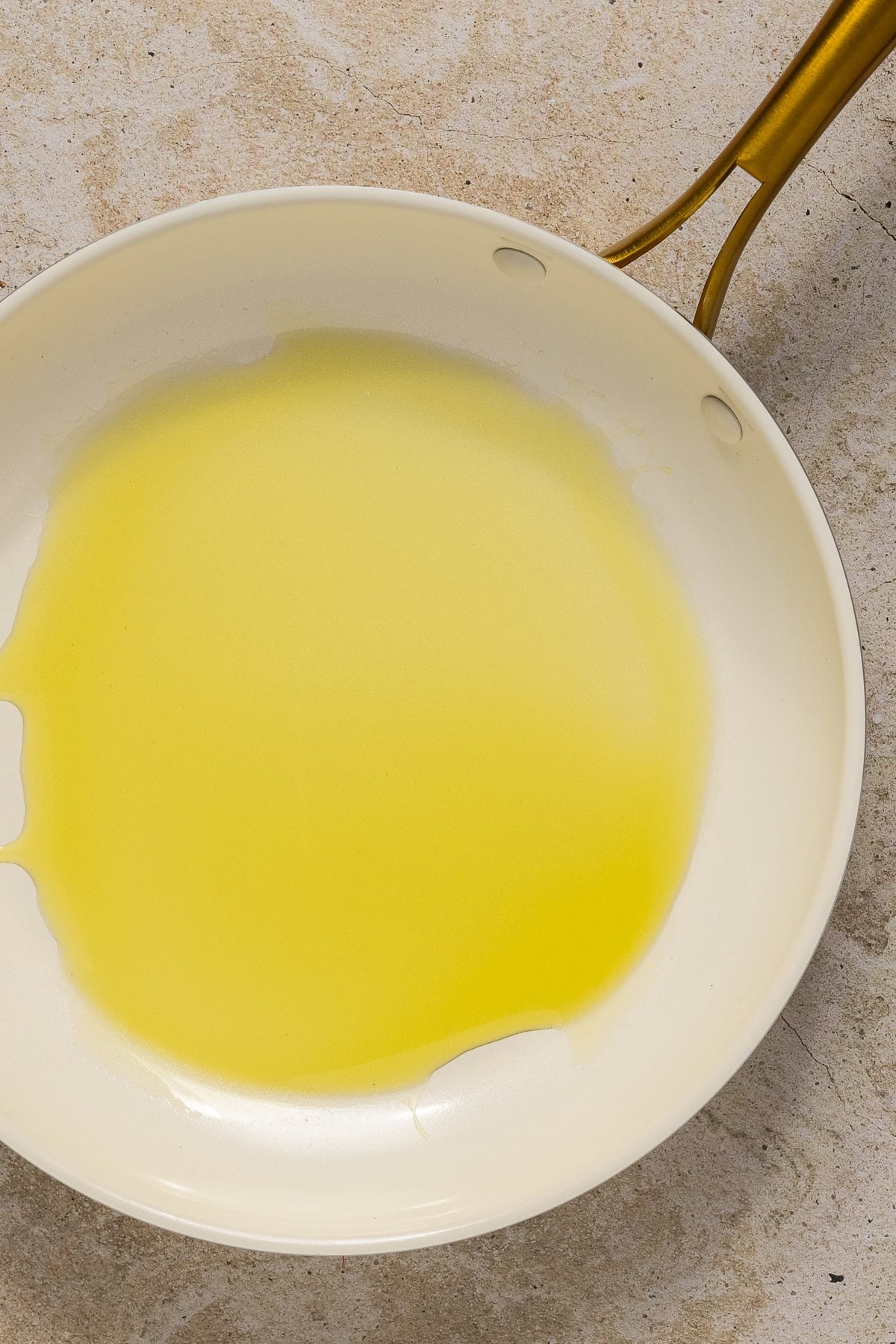
All oils contain a mix of different fatty acids. Focus on cooking at home with mostly oils like olive and avocado oil. Add the occasional seed oil here or there. And limit saturated fat to a rarer occurrence.
–
You don’t need to go out of your way to incorporate seed oils into your diet. The average American diet will include them. And also, you don’t need to go out of your way to avoid them either (boxed brownies wouldn’t be the same without them!).
Most importantly, remember this: there is no benefit to a reductionist view of nutrition – one that puts too much of an emphasis on single ingredients, instead of zooming out to look at the big picture.
It adds way too much stress to eating – something we need to do daily and frequently. And guess what stress causes? Inflammation 🙂
Our health is shaped by our diets and lifestyles overall. A healthy diet that includes plenty of whole grains, protein, unsaturated fat, and fiber, plus a lifestyle that includes exercise and limited alcohol will have the most drastic and beneficial effect on our overall health – much more than unnecessarily worrying about seed oils will.
CITATIONS
If you’ve made and love this recipe or any other recipe on my blog, please leave a ⭐ rating and comment below!